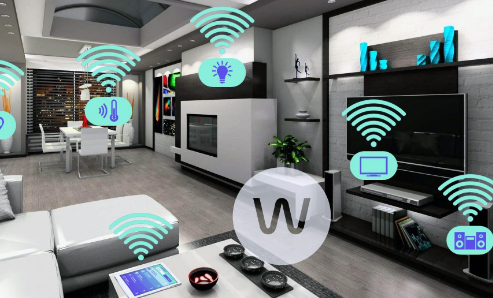
Smart home technology is fundamentally changing how people live. It integrates various automation systems that enhance convenience and control in daily tasks. Homeowners can utilize smart devices to optimize energy consumption, improve security, and tailor their living spaces. As advancements continue, the future of smart homes holds potential for increased intelligence and sustainability. What are the key components driving this transformation, and how do they impact everyday life?
Key Components of Smart Home Technology
As smart home technology continues to evolve, several key components emerge that define its functionality and appeal.
Home automation systems play a crucial role in enabling seamless control of various devices, enhancing user convenience.
Furthermore, device compatibility ensures that different brands and models can integrate smoothly, allowing homeowners the freedom to personalize their environments.
This interconnectedness fosters a more efficient and enjoyable living experience.
Benefits of Smart Home Solutions
The integration of smart home technology brings a multitude of benefits that enhance the overall living experience.
Homeowners enjoy improved energy efficiency through automated systems that optimize usage, reducing costs and environmental impact.
Additionally, enhanced home security features provide peace of mind, allowing individuals to monitor their property remotely.
Popular Smart Home Devices
What makes smart home devices so appealing to homeowners today? Their ability to enhance convenience and security stands out.
Smart speakers provide hands-free control, while smart thermostats optimize energy usage. Security cameras offer peace of mind, and smart lighting allows for mood customization.
Together, these devices empower homeowners with greater control over their living environments, fostering a sense of freedom and efficiency.
Future Trends in Smart Home Technology
While many homeowners currently enjoy the benefits of smart home technology, the future promises even more innovative advancements that will transform daily living.
Artificial intelligence advancements will enable devices to learn user preferences, enhancing convenience. Additionally, energy efficiency innovations will optimize resource consumption, reducing waste and lowering costs.
Together, these trends will empower homeowners to create more sustainable, efficient, and personalized living environments.
Conclusion
In the vibrant tapestry of modern living, smart home technology weaves together convenience, security, and energy efficiency into a seamless fabric of daily life. As these interconnected systems continue to evolve, they promise to illuminate homes with the brilliance of artificial intelligence and sustainable practices. Like a symphony of automation, smart devices harmonize individual preferences, crafting personalized environments that resonate with comfort and innovation. The future unfolds as a canvas, inviting homeowners to paint their ideal living experiences.