Introduction
Modern power distribution networks are becoming more complex, compact, and safety-focused as electricity demand continues to grow across urban, industrial, and commercial environments. Traditional air-insulated systems, while still in use, often require large installation spaces and frequent maintenance. To overcome these limitations, utilities and industries increasingly rely on gas insulated switchgear (GIS), a highly reliable and space-efficient solution for electrical distribution and control.
A durable gas insulated switchgear system is designed to provide safe, stable, and long-lasting performance even in harsh environmental conditions. By using insulating gas instead of air, it significantly improves dielectric strength, reduces fault risks, and enhances overall system reliability. This makes it a preferred choice for modern substations, underground networks, and high-density urban infrastructure.
Understanding Gas Insulated Switchgear
What Is Gas Insulated Switchgear?
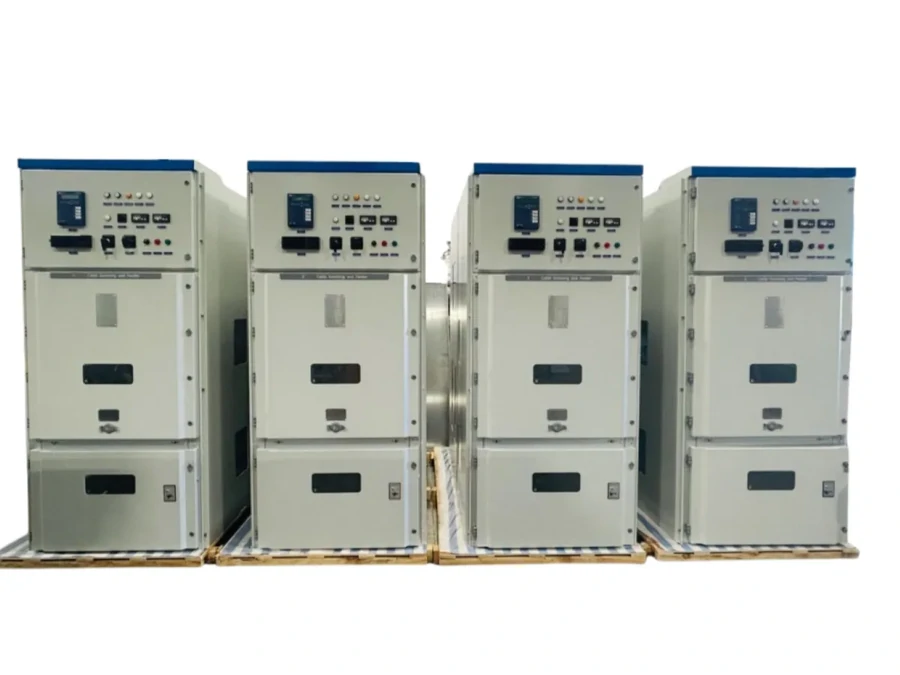
Gas insulated switchgear (GIS) is a type of high-voltage electrical equipment where key components such as circuit breakers, busbars, and disconnectors are enclosed in a sealed metal compartment filled with insulating gas, typically sulfur hexafluoride (SF₆) or alternative eco-friendly gases.
This design allows the system to operate safely at high voltages while occupying much less space compared to traditional air-insulated switchgear.
Key components include:
- Circuit breakers
- Isolators and disconnect switches
- Busbars
- Current and voltage transformers
- Gas-filled metal enclosures
Why Gas Insulation Is Used
Gas insulation provides superior dielectric strength compared to air. This means it can withstand higher electrical stress without breakdown, allowing for:
- Compact equipment design
- Improved safety margins
- Reduced risk of electrical arcing
- Stable operation under high voltage conditions
Key Features of Durable Gas Insulated Switchgear
Compact and Space-Saving Design
One of the most significant advantages of GIS is its compact structure. Since all components are enclosed in gas-filled chambers, it requires:
- Much less installation space
- Smaller substation footprint
- Underground or indoor installation capability
This is especially beneficial in densely populated cities where land is expensive and limited.
High Electrical Reliability
Durable GIS systems are engineered for long-term stability and consistent performance. They offer:
- Minimal risk of electrical faults
- High resistance to external environmental conditions
- Stable operation under voltage fluctuations
The sealed design prevents contamination from dust, moisture, and pollution.
Strong Arc Quenching Capability
Gas insulated switchgear provides excellent arc interruption performance. During switching operations or fault conditions:
- Electrical arcs are quickly extinguished
- System damage is minimized
- Equipment safety is enhanced
This improves operational reliability in high-voltage networks.
Applications in Power Distribution Networks
Urban Power Substations
In modern cities, GIS is widely used in substations due to space constraints. It supports:
- Underground substations
- High-rise building power systems
- Metro rail and urban transport networks
Its compact design makes it ideal for city infrastructure.
Industrial Power Systems
Industries rely on stable and uninterrupted electricity. GIS helps in:
- Heavy machinery power distribution
- Manufacturing plant substations
- Process control systems
It ensures continuous operation with minimal downtime.
Renewable Energy Integration
Gas insulated switchgear is increasingly used in renewable energy systems such as:
- Solar power plants
- Wind farms
- Hybrid energy grids
It helps manage variable power inputs and maintain grid stability.
Benefits of Durable Gas Insulated Switchgear
Enhanced Safety Standards
Safety is a top priority in electrical networks. GIS improves safety by:
- Fully enclosing live components
- Preventing accidental contact
- Reducing fire and explosion risks
This makes it suitable for public and sensitive installations.
High Operational Reliability
Because the system is sealed and protected from external factors, it provides:
- Consistent long-term performance
- Reduced maintenance requirements
- Lower risk of environmental damage
Minimal Maintenance Requirements
Unlike air-insulated systems, GIS requires less frequent maintenance due to:
- Sealed gas environment
- Reduced exposure to contaminants
- Fewer moving external parts
This lowers operational costs over time.
Improved System Efficiency
GIS systems reduce energy losses and improve efficiency through:
- Optimized electrical insulation
- Reduced leakage currents
- Stable voltage handling
See also: Comprehensive Care with a Hernia Surgeon in Dubai and General Surgeon in Dubai
Design and Engineering Aspects
Sealed Metal Enclosures
All components are housed in robust metal enclosures filled with insulating gas. This provides:
- Protection from environmental factors
- Long-term mechanical durability
- Enhanced electrical insulation
Use of High-Performance Insulating Gas
SF₆ gas has traditionally been used due to its excellent insulating properties. Modern systems may also use:
- Eco-friendly gas mixtures
- Low-global-warming-potential alternatives
These developments support environmental sustainability.
Modular Construction
Many GIS systems are designed in modular form, allowing:
- Easy expansion of substations
- Flexible configuration
- Simplified installation and upgrades
Installation Considerations
Space and Site Requirements
Although GIS is compact, proper installation planning is essential:
- Indoor or underground installation is preferred
- Adequate ventilation for safety systems
- Structural support for heavy equipment
Professional Assembly
Due to high voltage complexity, installation must be handled by trained professionals to ensure:
- Proper gas sealing
- Electrical integrity
- Safe system commissioning
Safety Compliance
GIS installations must follow strict standards to ensure:
- Operational safety
- Environmental protection
- Regulatory compliance
Maintenance and Monitoring
Gas Pressure Monitoring
Maintaining correct gas pressure is critical for performance:
- Regular pressure checks
- Leak detection systems
- Automatic alarms for pressure drops
Routine Inspections
Although maintenance is minimal, periodic checks include:
- Electrical connection testing
- Mechanical inspection of switches
- Thermal imaging for hot spots
Predictive Maintenance Systems
Advanced GIS setups include digital monitoring for:
- Fault prediction
- Performance tracking
- Remote diagnostics
Challenges and Limitations
High Initial Investment
Gas insulated switchgear systems typically have higher upfront costs due to:
- Advanced materials
- Complex manufacturing processes
- Specialized installation requirements
Environmental Concerns
Certain insulating gases have environmental impact if leaked, although newer eco-friendly alternatives are addressing this issue.
Technical Complexity
GIS systems require skilled professionals for:
- Installation
- Maintenance
- Emergency handling
Future of Gas Insulated Switchgear Technology
Eco-Friendly Gas Alternatives
The industry is shifting toward:
- Low-emission insulating gases
- Sustainable insulation technologies
- Reduced environmental footprint designs
Smart Grid Integration
Future GIS systems will integrate with smart grids for:
- Real-time monitoring
- Automated fault detection
- Remote control capabilities
Digital Substation Development
GIS will play a key role in fully digital substations featuring:
- IoT-based monitoring
- AI-driven diagnostics
- Advanced automation systems
Conclusion
Durable gas insulated switchgear represents a highly advanced and reliable solution for modern power distribution networks. Its compact design, superior insulation, and high safety standards make it ideal for urban infrastructure, industrial systems, and renewable energy integration.
By offering long-term reliability, minimal maintenance, and excellent performance in challenging environments, GIS has become a cornerstone of modern electrical engineering. As technology continues to evolve, gas insulated switchgear will play an even more important role in building efficient, safe, and sustainable power distribution systems for the future.